May 13, 2026
Jardín de l’Albarda: A Mediterranean Garden Near Denia
Active life, Biology, Bird-watching, Conservation, Family-friendly, Guide
This page contains links through which we may earn a small commission should you decide to book a tour from our partner.
Top attractions:
About Jardín de l’Albarda
Jardín de l’Albarda is a 50,000 m² / 538,000 ft² Mediterranean botanical garden in Pedreguer, in the Marina Alta region between Denia and Jávea. Created in 1990 by chemical engineer and naturalist Enrique Montoliu, it pairs a Renaissance-style layout with strong Hispano-Arabic influences, structured around water channels, pergolas, and shaded patios.
The garden holds more than 700 plant species, with a clear focus on flora native to the Valencian Community and the wider Mediterranean basin. Roses, palms, citrus trees, aromatic herbs, and rare endemics share space with ponds, fountains, and a celebrated iron umbráculo that has won architectural design awards.
Since 1996, the site has been managed by the Fundación Enrique Montoliu (FUNDEM), a private non-profit dedicated to conserving Mediterranean flora and fauna. The garden works as a living laboratory and a public showcase for sustainable, water-wise gardening using regional species.
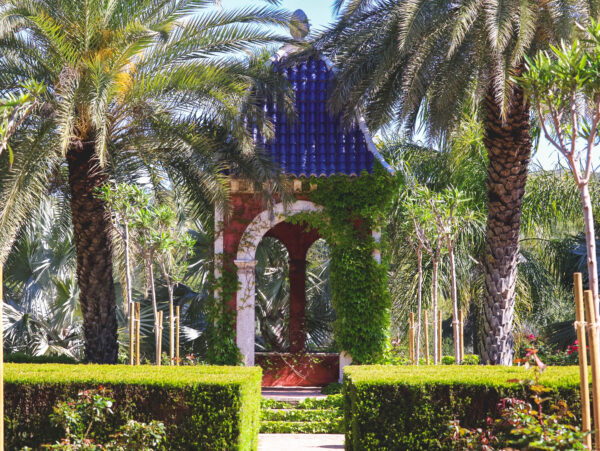
Jardín de l’Albarda is full of marvelous architecture. Photo by Alis Monte [CC BY-SA 4.0], via Connecting Valencia.
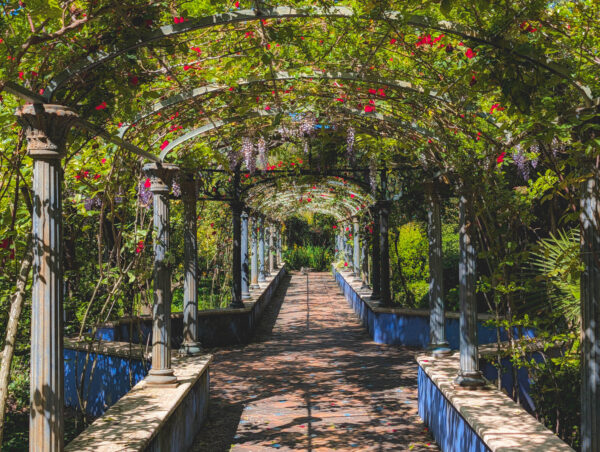
Rose gardens. Photo by Alis Monte [CC BY-SA 4.0], via Connecting Valencia.
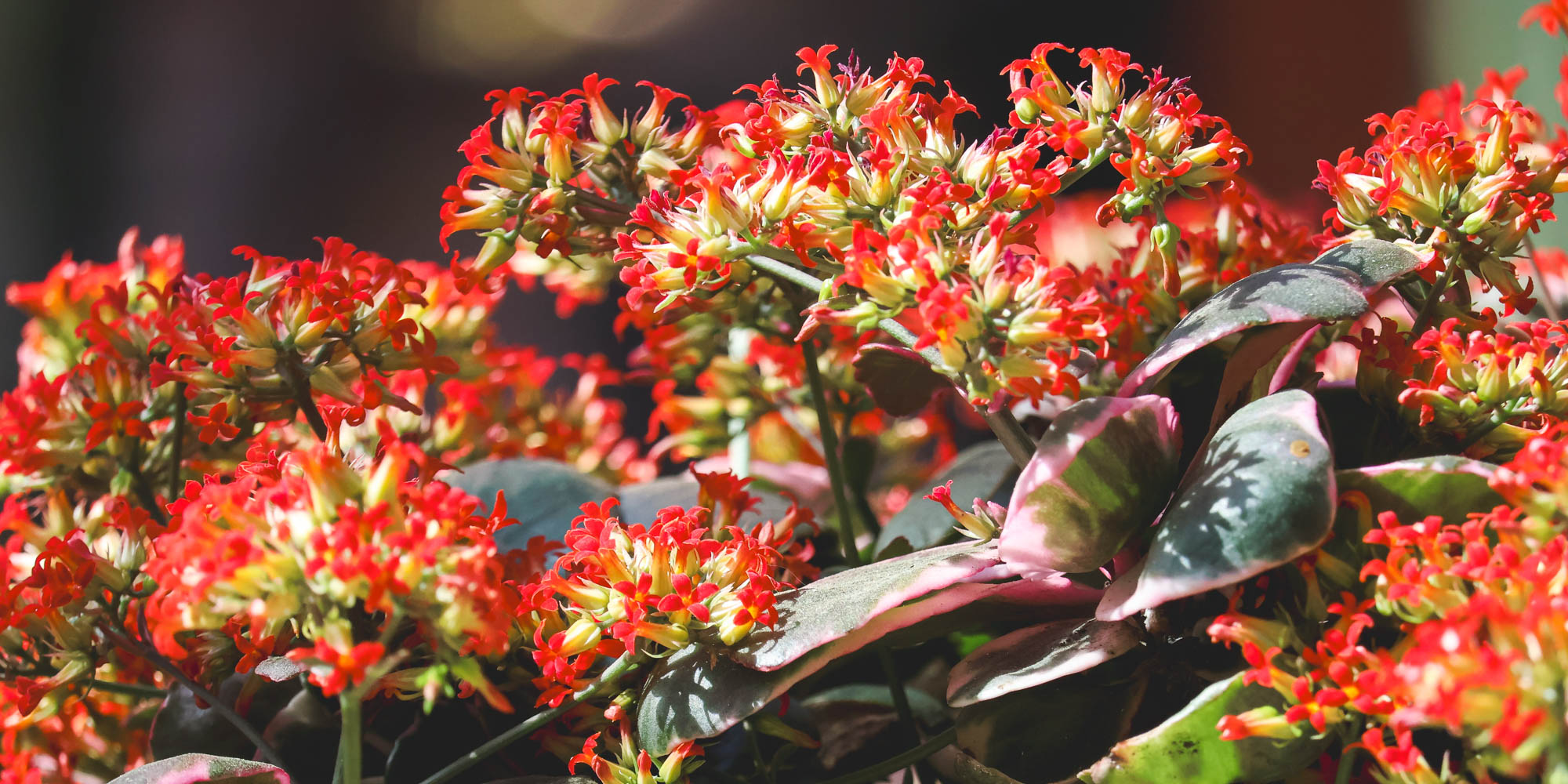
Flaming Katy. Photo by Alis Monte [CC BY-SA 4.0], via Connecting Valencia.
Jardín de l’Albarda Details
- Location: Urb. Muntanya de La Sella, Pedreguer
- Region: Alicante, Spain
- Address: Carrer Baix Vinalopó, 8, 03750 Pedreguer, Alicante, Spain
- Entrance: Main Entrance
- Created: 1990 (20th Century)
- Architectural Style: Renaissance with Hispano-Arabic influences
- Entrance fee: Mon-Fri 7 € general, 4 € junior (7-13); Sat-Sun & holidays 9 € general, 5 € junior; under 7 free.
- Tickets: Available online via the official site and on site.
- Opening hours: Daily 10:00-14:00; from 15 June to 15 September also 18:00-21:00 (as of April 2026).
- Transport: By car via AP-7 exit 62 (Pedreguer); nearest TRAM Alicante stop La Xara (line L9), then taxi.
- Accessibility: Main paths are wheelchair accessible; dogs allowed on a lead.
Location
History & Development
Enrique Montoliu began planting l’Albarda in 1990 on family land at the foot of the Sierra de Segària, choosing a site with good aquifers and a mild microclimate. From the start, he rejected the “tropical lawn” model common on the Costa Blanca and instead designed around drought-tolerant Mediterranean species, terraces, and traditional irrigation channels.
In 1996, Montoliu created the Fundación Enrique Montoliu (FUNDEM) to safeguard the garden’s long-term future and expand its conservation mission. The foundation later acquired more than 240 hectares in the Tinença de Benifassà (Castellón), today protected as a natural park, where it runs reforestation and habitat recovery projects.
The garden has gathered formal recognition over the years, including the Magíster Award for Landscaping from the Universitat Politècnica de València in 2002. In 2025, Montoliu published “El Jardín de l’Albarda, mi paraíso,” a 125-page book on its history, design philosophy, and inspirations.
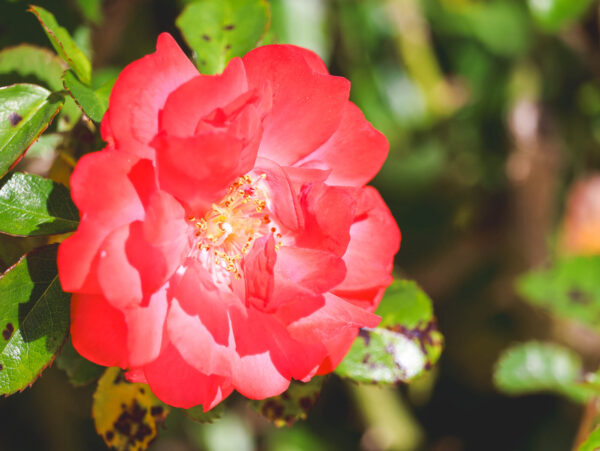
Close-up rose. Photo by Alis Monte [CC BY-SA 4.0], via Connecting Valencia.
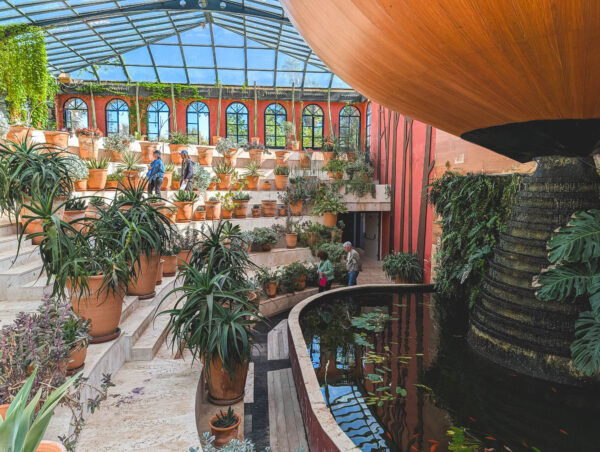
Umbraculo interior. Photo by Alis Monte [CC BY-SA 4.0], via Connecting Valencia.
Highlights
- Rose Garden: A formal parterre with hundreds of rose bushes, at its peak from April to June.
- Umbráculo: An award-winning iron shade structure that frames climbing plants and filters the summer light.
- Hispano-Arabic Patios: Tiled fountains, narrow water channels, and citrus courtyards inspired by Andalusian garden tradition.
- Native Mediterranean Flora: Carob, holm oak, myrtle, lavender, and rare local endemics labelled for self-guided visits.
- Summer Concert Series: Evening classical and acoustic concerts held in the garden during the warm months (15 € per ticket)
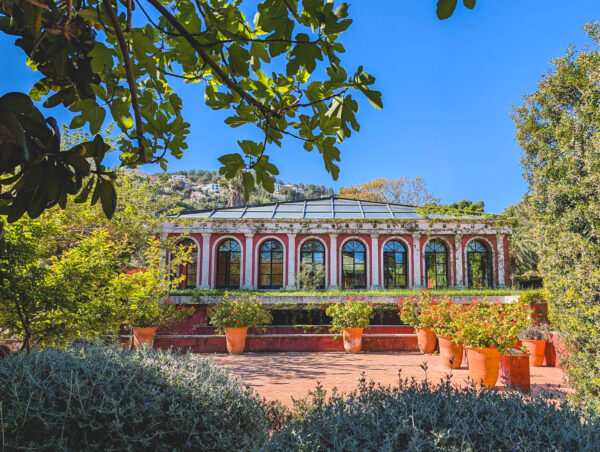
Umbraculo exterior. Photo by Alis Monte [CC BY-SA 4.0], via Connecting Valencia.
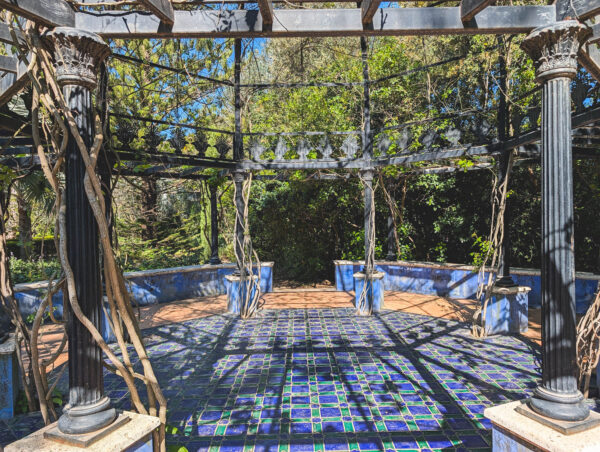
Hispano-Arabic influence could be seen across the gardens. Photo by Alis Monte [CC BY-SA 4.0], via Connecting Valencia.
Why Visit?
Jardín de l’Albarda is one of the few private gardens on the Costa Blanca built entirely around the idea that Mediterranean plants belong in Mediterranean gardens. For anyone interested in sustainable landscaping, it is a working reference, with practical examples of low-water planting, traditional irrigation, and shade design.
Casual visitors get something simpler: a calm, beautifully composed green space where you can spend a couple of hours walking, photographing roses, and sitting by the fountains. The garden is small enough to feel intimate, but varied enough to keep changing around every corner.
It also pairs well with a day in the Marina Alta. You can combine a morning visit with lunch in Denia, an afternoon at the beaches of Jávea, or a hike up the nearby Sierra de Segària.
Gallery of Jardín de l’Albarda
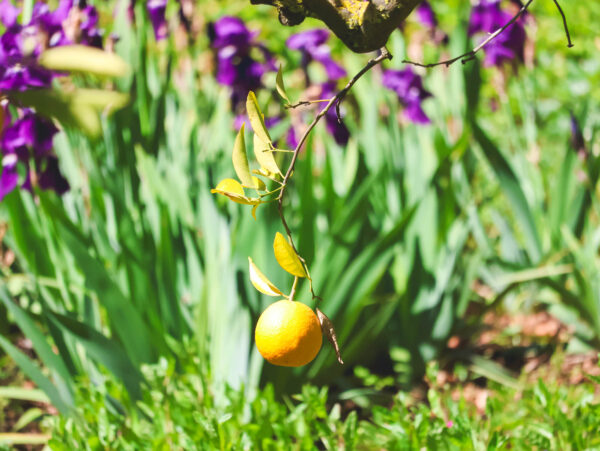
Citrus. Photo by Alis Monte [CC BY-SA 4.0], via Connecting Valencia.
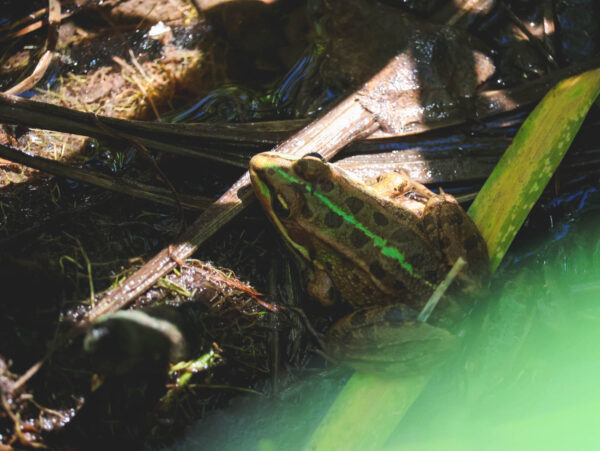
Frogs thrive in the ponds of gardens. Photo by Alis Monte [CC BY-SA 4.0], via Connecting Valencia.
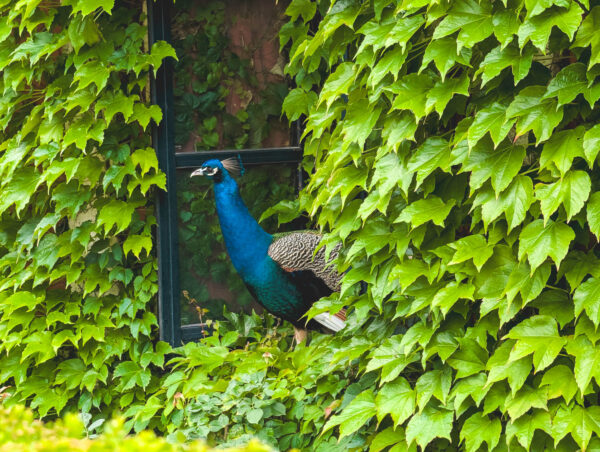
Peacocks live in the gardens, come early if you want to see them. Photo by Alis Monte [CC BY-SA 4.0], via Connecting Valencia.
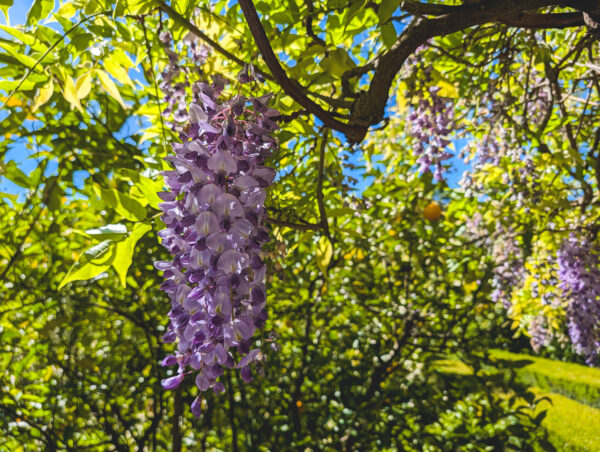
Chinese wisteria. Photo by Alis Monte [CC BY-SA 4.0], via Connecting Valencia.
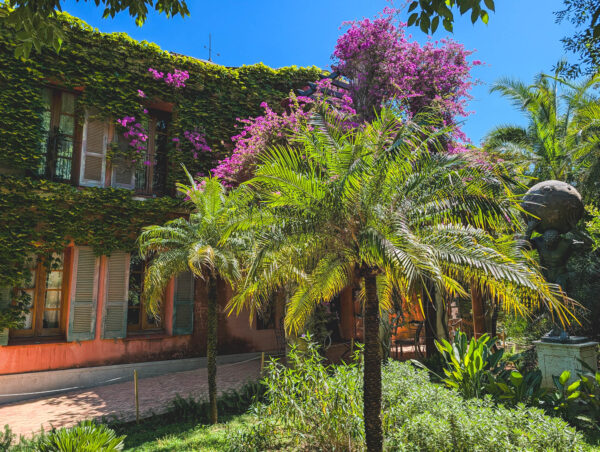
Jardín de l’Albarda during a summer. Photo by Alis Monte [CC BY-SA 4.0], via Connecting Valencia.
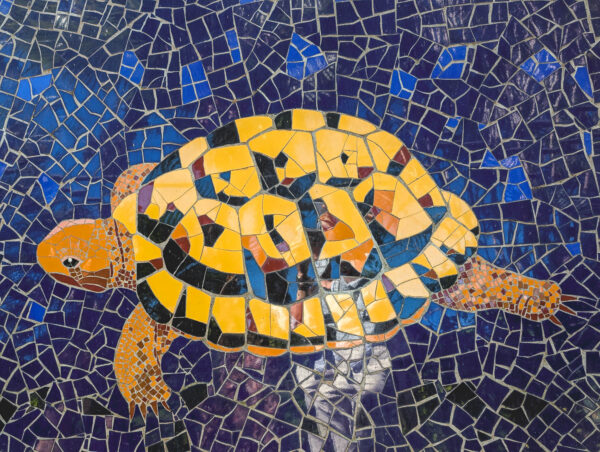
Tortoise ceramic tile mosaic. Photo by Alis Monte [CC BY-SA 4.0], via Connecting Valencia.
Tickets & Booking
Tickets are sold at the gate and through the official website; no reservation is needed for standard daytime visits. Members of FUNDEM enter free, and concert evenings are ticketed separately at 15 €. Weekday visits are noticeably cheaper than weekends and tend to be quieter, especially outside the summer concert season.
No car? No worries, there is a possibility to visit the gardens from Benidorm, Albir, Altea or Calpe:
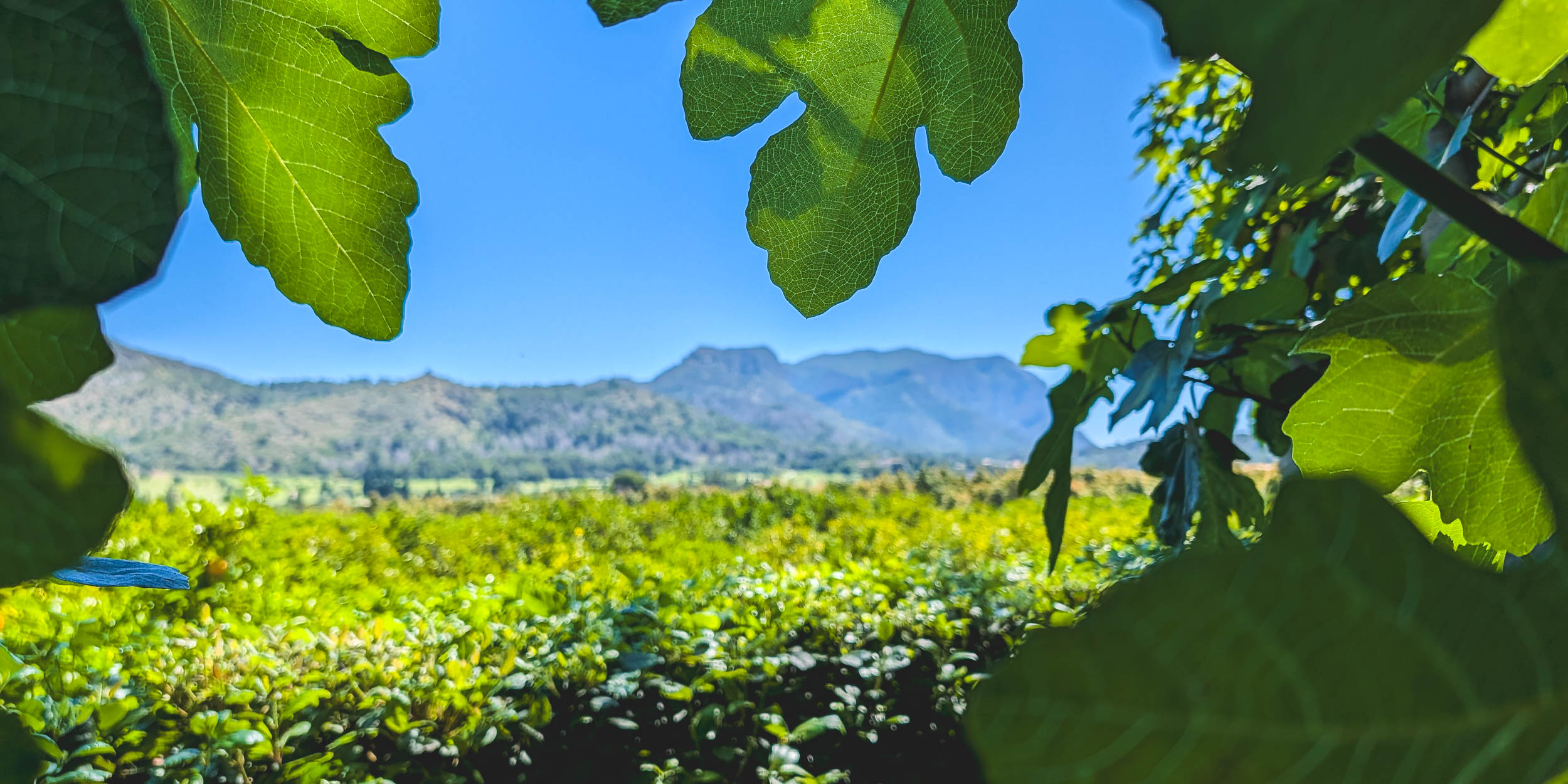
All photos by Alis Monte. If you want to collaborate, contact me on hi@connectingvalencia.com. Photo by Alis Monte [CC BY-SA 4.0], via Connecting Valencia.
Frequently Asked Questions
Where is Jardín de l'Albarda?
In Pedreguer, Alicante, about 10 minutes by car from Denia and 15 minutes from Jávea.
How much time do you need?
Most visitors spend 1.5 to 2 hours walking the garden at a relaxed pace.
When is the best time to visit?
April to June for roses and mild weather; summer evenings for concerts and longer opening hours.
Is the garden suitable for children?
Yes, with safe paths, ponds, and open lawns; under-7s enter free. My son loves it.
Can you get there without a car?
Public transport is limited; the easiest option is TRAM line L9 to La Xara, then a short taxi ride. Cycling is always an option.